Media Kit for Brian Livingston, President of Zelkam
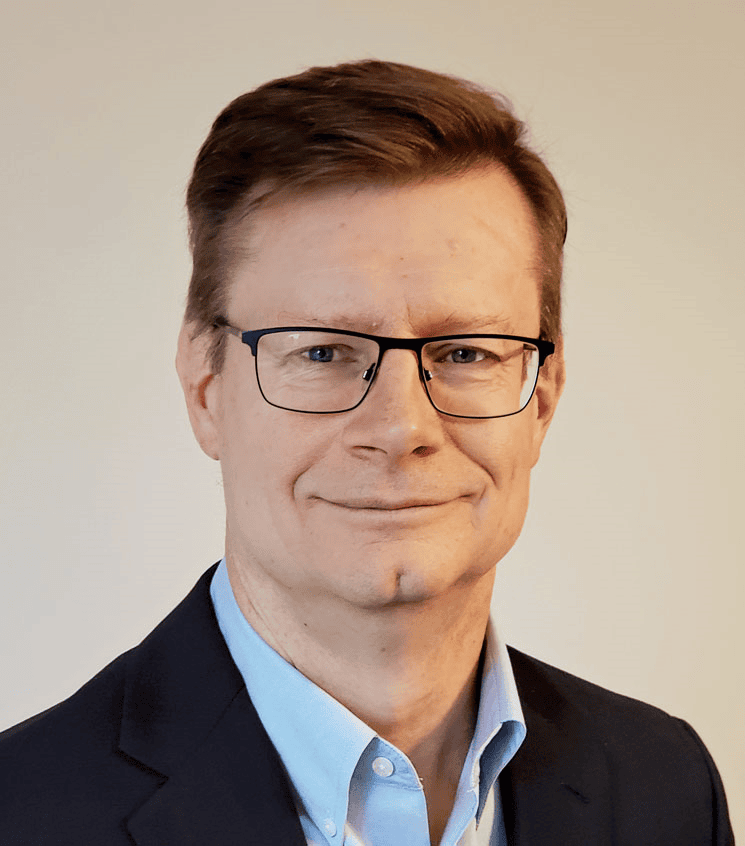
I help diesel-intensive companies save hundreds of thousands of dollars (some millions) by reducing fuel use and CO₂ emissions by 5–7% using proven decarbonization technology. >100% ROI
Topic Tags: Decarbonization Sustainability Diesel Efficiency Fuel Cost Reduction
Contact:
Brian Livingston
✉️ Brian.Livingston@Zelkam.com
📞 +1 309-678-4965
Website / Media Page:
🌐 www.Zelkam.com/media-kit
Mini Bio (40–60 words)
Brian Livingston is President of Zelkam and a chemical engineer with 40 years' experience, including nearly 20 years in Caterpillar’s diesel engine division. He helps diesel-intensive industries save hundreds of thousands of dollars by reducing fuel use and CO₂ emissions using practical, field-proven methods that deliver ROI >100%. Brian is a sought-after speaker on decarbonization and sustainable diesel fuel practices. He can be reached at www.Zelkam.com or LinkedIn.
Short Bio (120–150 words)
Brian Livingston is a 40-year chemical engineer and decarbonization expert who helps industries that rely on diesel save hundreds of thousands of dollars by reducing fuel consumption and CO₂ emissions. He spent nearly two decades at Caterpillar in the diesel engine division, gaining deep technical knowledge in engines and fuels. As founder of Zelkam, Brian applies field-proven methods that deliver 100–400% ROI, helping customers save millions of liters of diesel while taking meaningful steps toward sustainability. He has spoken at major North American mining conferences and advises companies on practical, incremental decarbonization strategies. While familiar with electric, hydrogen, biofuels, and emerging technologies, his focus is on solutions that can be implemented today to make an immediate, measurable impact. He can be reached at www.Zelkam.com or LinkedIn.
Full Bio (250–350 words)
Brian Livingston is a 40-year chemical engineer with over two decades of experience in diesel engines, fuels, and industrial decarbonization. He spent nearly 20 years at Caterpillar, where he developed deep expertise in diesel engine technology, fuels chemistry, and practical approaches to efficiency. Over his career, Brian has helped industries save millions of liters of diesel while simultaneously reducing CO₂ emissions.
As founder of Zelkam, Brian specializes in a field-proven method of reducing fuel use and emissions that delivers 100–400% ROI. His work focuses on industries with high diesel usage, including mining, trucking, maritime, railroads, and power generation, helping companies take actionable, incremental steps toward sustainability while increasing operational efficiency.
Brian is frequently invited to speak at major industry events, including one of North America’s largest mining conferences, sharing insights on practical decarbonization strategies and ROI-focused solutions. While he keeps abreast of emerging technologies—electric, hydrogen, alternative biofuels, ammonia, and more—his core mission is enabling companies to act now, using solutions that are available today to make a meaningful difference rather than waiting for future breakthroughs.
Known for blending technical expertise with real-world practicality, Brian helps organizations understand the chemistry, engineering, and operational factors behind fuel efficiency and emissions reduction. His goal is to provide actionable guidance that produces measurable results, making him a trusted advisor and engaging podcast guest for hosts covering sustainability, energy efficiency, and decarbonization topics. He can be reached at www.Zelkam.com or LinkedIn.
Key Outcomes / Host-Ready Highlights
Helps diesel-intensive industries save hundreds of thousands of dollars by reducing fuel use and CO₂ emissions by 5–7% with field-proven technology.
Delivers 100–400% ROI on decarbonization solutions that can be implemented today.
Saved customers millions of liters of diesel and significantly lowered emissions.
Expert in diesel engines, fuels chemistry, and practical industrial efficiency strategies.
Speaker at major North American mining conferences and advisor on sustainability initiatives.
Signature Topics
1. Decarbonization You Can Act on Today
Audience takeaway: Learn how incremental, real-world solutions can reduce diesel use and CO₂ without waiting for future tech.
Angle: You don’t need to wait for hydrogen or electric fleets to make a significant impact and have huge ROI.
Hook variations:
“Stop Waiting for the Future: Decarbonize Now”
“Practical Decarbonization: Small Steps, Big Results, Big Paybacks”
2. How to Lower Diesel Use and Boost ROI
Audience takeaway: Discover a catalyst-based method that reduces fuel consumption and pays for itself multiple times over.
Angle: Profit and sustainability don’t have to be trade-offs.
Hook variations:
“Cut Fuel, Cut Emissions, Increase Profits”
“The Decarbonization Method That Actually Pays”
3. Practical Sustainability Without the Debate
Audience takeaway: Explore a common-sense, action-first approach to sustainability that works regardless of climate opinions.
Angle: Focus on stewardship and results, not ideology.
Hook variations:
“Sustainability Everyone Can Agree On”
“Beyond the Climate Debate: Doing Something That Works - and Pays!”
4. Diesel Alternatives: What Works Now vs. Later
Audience takeaway: Understand which emerging technologies—biofuels, renewable diesel, hydrogen, electric—are practical today versus future promises.
Angle: Not all “green” solutions are ready to implement; know which moves are immediate and effective.
Hook variations:
“Decarbonization Reality Check: What Works Now”
“Future Tech vs. Today’s Action: Where to Spend Your Resources”
5. Behind the Scenes of Industrial Decarbonization
Audience takeaway: Hear real-world challenges, successes, and lessons from implementing fuel-saving solutions in heavy industries.
Angle: Shows the human side of sustainability and small business problem-solving.
Hook variations:
“Lessons from the Frontlines of Diesel Decarbonization”
“What Really Happens When You Try to Change Industry”
6. Applying Chemistry to Industrial Sustainability
Audience takeaway: Learn how catalyst technology can transform diesel operations with measurable fuel and emissions reductions.
Angle: Offers a technical yet accessible perspective few hosts can provide.
Hook variations:
“The Chemistry Behind Cutting Fuel Use and Emissions”
“How a Catalyst Can Change Industrial Sustainability”
7. Faith and Ethics in Business Decision-Making
Audience takeaway: Understand how values and stewardship influence practical business and sustainability choices.
Angle: Integrates personal principles into professional problem-solving.
Hook variations:
“Doing Well by Doing Right: Ethics Meets Decarbonization”
“How Faith Shapes Practical Sustainability Decisions”
Suggested Questions
What inspired you to start Zelkam and focus on diesel decarbonization?
How did your background in chemical engineering and diesel engines prepare you for this work?
Can you explain the catalyst technology you use and how it reduces fuel consumption and emissions?
What kind of impact can a typical diesel engine see from this technology?
How long has this method been in use, and what evidence supports its effectiveness?
Can you share some real-world results from lab tests or customer implementations?
How did you discover this technology and decide it was worth bringing to industry?
Why should diesel-intensive industries care about taking action on sustainability now?
How does this approach compare to alternatives like biofuels, renewable diesel, electric, or hydrogen solutions?
What challenges and lessons have you experienced running a small business in this space?
Talking Points
Practical decarbonization: how diesel-intensive industries can reduce fuel use and CO₂ now.
Using catalyst technology to cut diesel consumption while delivering 100–400% ROI.
Comparing real-world solutions: biofuels, renewable diesel, hydrogen, electric, and today’s actionable options.
Common-sense sustainability: taking action without waiting for future technologies or debating climate opinions.
Lessons from implementing fuel-saving solutions in heavy industry: challenges, successes, and best practices.
Ethics and stewardship in business: how values guide practical sustainability decisions.
How incremental, measurable steps can make a significant environmental and financial impact today.
Media Placements
(Partial list - More at https://www.zelkam.com/media)
Podcast: The Thoughtful Entrepreneur (50K+ audience)
This episode serves as a vital resource for fleet operators and sustainability champions looking for immediate, science-backed ways to reduce overhead while advancing corporate decarbonization goals. Link
Podcast: Influence Matters (Top 1% podcast)
Why sit on our hands and wait for the future when we can use technologies that are available today that make a significant impact and pay for themselves many times over? Link
Podcast: Engineering a Cleaner Future: Diesel Innovation, Entrepreneurship & Sustainability - the No Brainer Show
The conversation dives deep into sustainable energy, the future of electric vehicles, the role of government subsidies, and the realities of global energy transitions. LinkPodcast: Fuel Efficiency That Saves Money and the Planet - Well Aware
We discuss the business impact, noting that a 1,000-truck fleet could save around $2.8 million per year and cut about 8,000 tons of CO₂, with roughly a 12-month payback - among other topics. Link
Podcast: The Diesel Problem Nobody's Talking About - Naked Sustainability
Everybody's talking about EVs and hydrogen, but nobody's talking about what we can do right now. Link
Podcast: ROI to Decarbonization - The Materials Business Podcast
Discussed decarbonizing with a very high ROI. (100% - 400%) Link
Podcast: The Chemistry of Savings – Trucking Risk & Insurance Podcast
Discussed cutting 3–5% fuel use on trucking fleets using catalyst technology. Link
Podcast: Steve Setka Show
Explored how faith and professional expertise intersect to decarbonize the trucking industry. Link
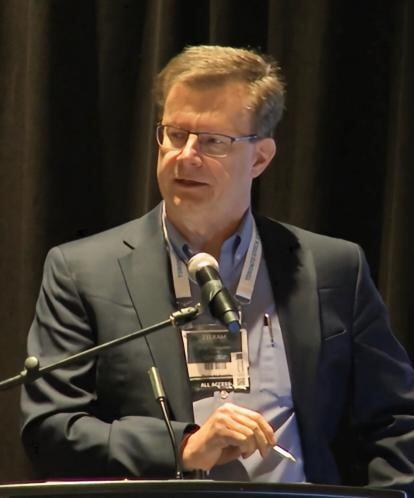
Brian Livingston at PDAC Conference, Toronto 2024
Spoke on diesel decarbonization strategies for the mining industry. Link
Mexico Business News Interview
Covered diesel challenges in mining and how Zelkam’s catalyst reduces fuel use and CO₂ emissions. Link
Borusan Port Partnership Press Release, 2025
Highlighted measurable fuel and emissions reductions through Zelkam technology in port machinery operations.
More at https://www.zelkam.com/media
Media Assets
LinkedIn: https://www.linkedin.com/in/brian-p-livingston/
Website: https://www.zelkam.com/
Headshot: https://www.zelkam.com/files/Brian-Livingston-Zelkam-Headshot-1200x1200.jpg
Alternate Photo: https://www.zelkam.com/files/BPL-at-PDAC-1.JPG
Logo: https://www.zelkam.com/files/Zelkam%20Logo%20with%20Border%20400x143.png
Audience CTA
After discussing any kind of fuel savings or CO2 reduction, audiences often want to understand what that would mean for their fleet. Calculating the tons of CO2 reduced while you reduce fuel is a bit tricky. I have developed some calculators where anybody can go in quickly, add some specs about their equipment or diesel usage and these calculators will calculate how much money they can save as well as how many tons of CO2 they can reduce. They've proved popular and it's a good first step to see if they want to pursue anything further. It's at www.Decarbonize5.com
Studio Conditions
- Dedicated videoconference monitor with quality camera & mic.
- Balanced lighting. (I'm an amateur hack photographer so I get lighting)
- Bookcase background that makes me look smarter than I really am.